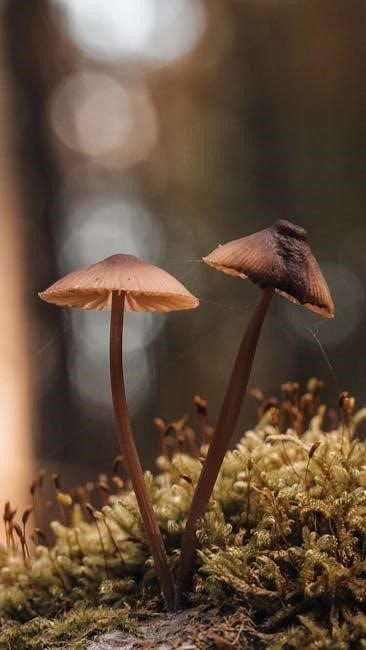
field guide mushrooms
Field guides unlock the fascinating world of fungi, offering detailed insights into identification and foraging, with over 450 species documented.
Mushroom identification can be an exciting hobby, and these guides provide essential knowledge for safe and rewarding foraging adventures worldwide.
What is a Field Guide?
A field guide is a portable reference book designed to aid in the identification of plants or animals – in this case, mushrooms and fungi – in their natural habitat. These guides are meticulously crafted to be user-friendly, featuring clear photographs and concise descriptions.
They serve as an essential tool for both beginners and experienced foragers, providing insightful information on over 450 species globally. A good field guide doesn’t just present facts; it empowers you to confidently explore and understand the diverse world of fungi, fostering a deeper connection with nature and responsible foraging practices.
Why Use a Field Guide for Mushrooms?
Utilizing a field guide is paramount for safe and successful mushroom foraging. Accurate identification is crucial, as consuming a misidentified mushroom can have severe, even fatal, consequences. These guides offer detailed photographic comparisons and descriptive text, minimizing the risk of error.
Furthermore, field guides enhance the foraging experience, transforming it from a simple collection activity into an educational adventure; They provide regional specificity, listing species relevant to your area, and promote responsible harvesting, ensuring the sustainability of these valuable resources.
Key Features of a Mushroom Field Guide
Essential guides feature clear photographs, descriptive text, range maps, and habitat information, aiding in accurate identification of over 450 fungal species globally.
Photographic Identification
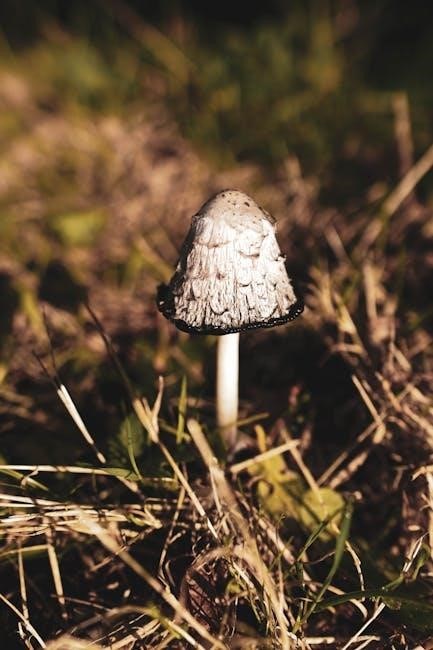
High-quality photographs are paramount in mushroom field guides, serving as the initial key to identification. These aren’t just simple pictures; they showcase the mushroom from multiple angles, including its cap, gills, and stalk.
Detailed cross-sections are frequently included, revealing internal structures crucial for differentiation. Annotations directly on the images point out key features, while scale illustrations provide a sense of size. The best guides present variations within a species, acknowledging natural differences in color and form, ensuring confident and accurate identification for both beginners and experienced foragers.
Descriptive Text & Terminology
Accompanying the photographs, detailed descriptive text provides crucial information beyond visual cues. Guides meticulously outline characteristics like texture, odor, and habitat preferences.
A glossary of mycological terminology is essential, demystifying specialized terms related to mushroom anatomy. Understanding terms like “volva,” “annulus,” and “deciduous” is vital for accurate identification. Clear, concise language bridges the gap between complex scientific descriptions and practical field application, empowering users to confidently interpret and utilize the guide’s information.
Range Maps & Habitat Information
Effective field guides incorporate range maps illustrating the geographical distribution of each species. These maps help foragers focus their search within likely areas, increasing efficiency and success rates.
Detailed habitat descriptions are equally crucial, specifying preferred environments like forests, grasslands, or decaying wood. Recognizing these associations narrows the search and aids identification. Regional focus is key, as mushroom distribution varies significantly; a guide tailored to a specific area provides the most accurate and useful information.
Essential Mushroom Characteristics for Identification
Accurate identification relies on observing key features: cap shape, gill attachment, stalk details, and spore print color – crucial elements for differentiation.
Cap Shape and Color
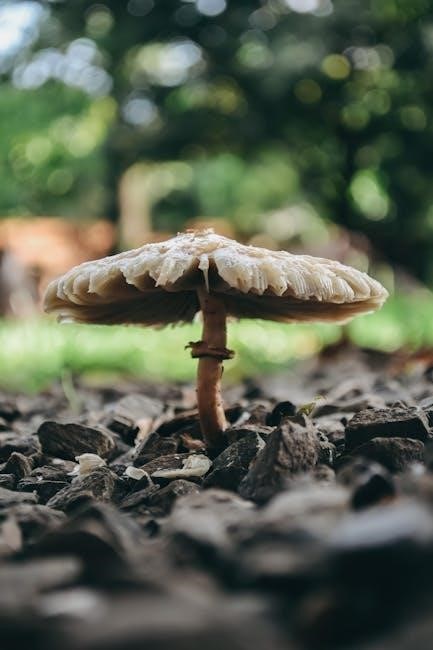
The mushroom cap’s form is a primary identification tool, ranging from convex and rounded to flat, umbonate (with a central bump), or even depressed. Observing the cap’s surface texture – smooth, scaly, or sticky – is also vital.
Color variations are equally important, though can be affected by age and weather. Field guides showcase these nuances, detailing shades from vibrant reds and yellows to subtle browns and creams. Precise color descriptions, alongside photographic references, aid in accurate species matching, crucial for distinguishing edible varieties from dangerous look-alikes.
Gill Attachment and Spore Print
Gill attachment – how the gills connect to the stalk – is a key characteristic. Options include free, adnate (attached squarely), decurrent (running down the stalk), or notched. Detailed illustrations in field guides clearly demonstrate these variations.
A spore print reveals the spore color, a vital identification step. This is achieved by placing the cap, gills down, on paper overnight. Guides detail expected spore colors (white, brown, black, pink), assisting in narrowing down possibilities and confirming species identity, especially when combined with other features.
Stalk Characteristics (Size, Color, Rings)
Stalk features are crucial for mushroom identification. Field guides emphasize observing stalk size (length and diameter) and color, noting any variations or patterns. Detailed descriptions and photographs showcase these differences effectively.
The presence of a ring (annulus) – a remnant of the partial veil – or a volva (cup-like structure at the base) are significant. Guides illustrate these structures clearly, as they are vital for distinguishing between edible and poisonous species, aiding accurate identification during foraging.
Commonly Found Edible Mushrooms (Regional Focus)
Regional guides highlight popular edibles like Chanterelles, Morels, and Chicken of the Woods, detailing species variations and locations for successful foraging.
Chanterelles
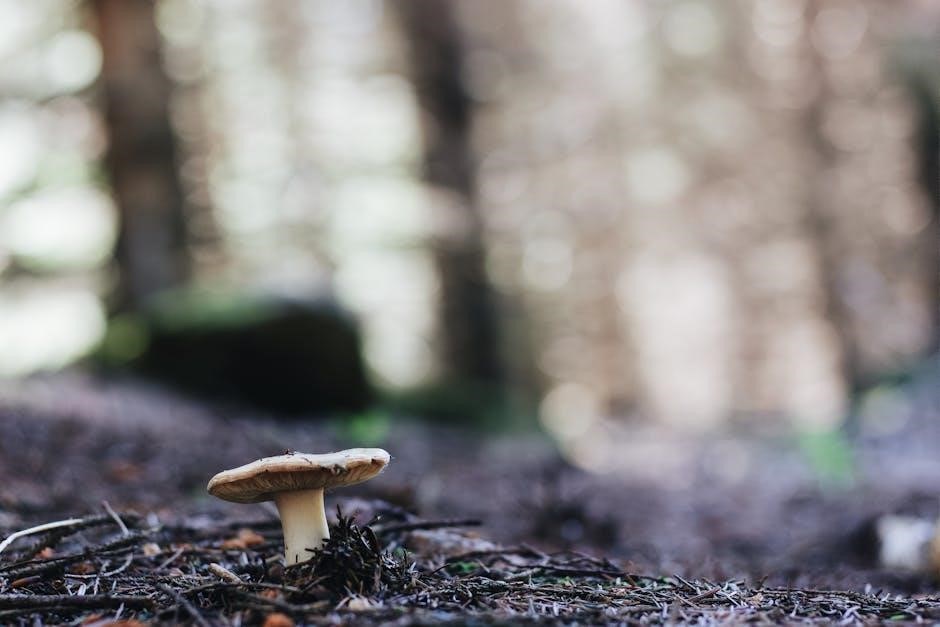
Chanterelles are highly prized edible mushrooms, known for their fruity aroma and vibrant golden-yellow to orange color. Field guides detail identifying features, including their vase-like shape and forked, blunt ridges instead of true gills.
Habitat information within guides specifies they grow in association with hardwood trees like oak and beech, often found during summer and fall. Accurate identification is crucial, as look-alikes exist. Regional guides pinpoint specific Chanterelle species found within a given area, enhancing foraging success and safety.
Morels
Morels are another coveted edible mushroom, instantly recognizable by their distinctive honeycomb-like cap structure. Field guides emphasize identifying true Morels by examining the cap’s fully attached structure to the stem – it’s hollow inside.
Habitat details within guides highlight their preference for growing near trees like ash, elm, and apple, often appearing in spring after rainfall. Guides caution against consuming false Morels, detailing key differences. Regional specificity helps foragers locate the particular Morchella species prevalent in their area.
Chicken of the Woods
Chicken of the Woods (Laetiporus) is a popular edible mushroom, known for its bright orange and yellow shelf-like appearance. Field guides detail identifying features, like the lack of gills and the porous underside of the cap, resembling chicken texture when cooked.
Regional guides are crucial, as seven Laetiporus species exist across North America; Guides pinpoint preferred host trees – often oak – and growth habits. Cautionary notes emphasize avoiding specimens growing on conifers, as they may cause digestive upset.
Dangerous Look-Alikes & Poisonous Mushrooms
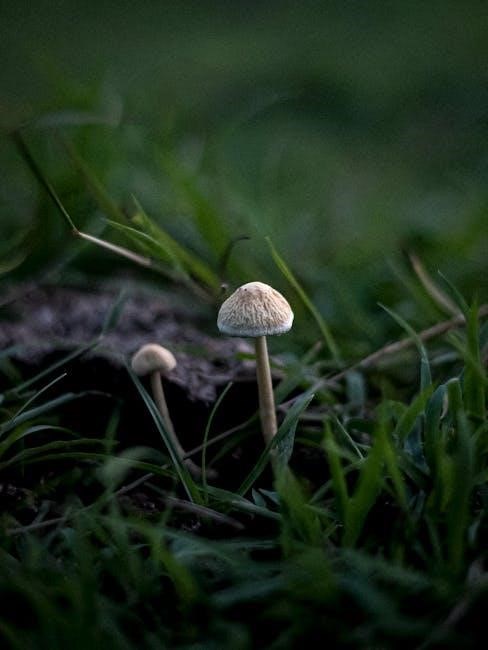
Field guides highlight deadly species like the Death Cap and Destroying Angel, stressing accurate identification to avoid potentially fatal misidentification during foraging.
Death Cap (Amanita phalloides)
Amanita phalloides, the Death Cap, is a notoriously poisonous mushroom responsible for the majority of fatal mushroom poisonings globally. Field guides emphasize its greenish-yellow cap, white gills, and a prominent ring on its stalk as key identifiers.
However, variations exist, making precise identification crucial. This mushroom contains amatoxins, which cause severe liver and kidney damage, often with delayed symptoms. Guides stress that even a small portion can be lethal, highlighting the importance of absolute certainty before consumption. Look-alikes, like edible straw mushrooms, necessitate extreme caution and expert verification.
Destroying Angel (Amanita virosa)
Amanita virosa, commonly known as the Destroying Angel, is another deadly mushroom demanding respect and careful identification using field guides. It’s characterized by its pure white color – cap, gills, stalk, and ring – creating a deceptively angelic appearance.
Like the Death Cap, it contains amatoxins, leading to severe organ failure. Guides warn against confusing it with edible white mushrooms, emphasizing the need to examine spore prints and habitat. Even experienced foragers exercise extreme caution, as misidentification can be fatal. Prompt medical attention is vital if ingestion is suspected.
Galerina marginata
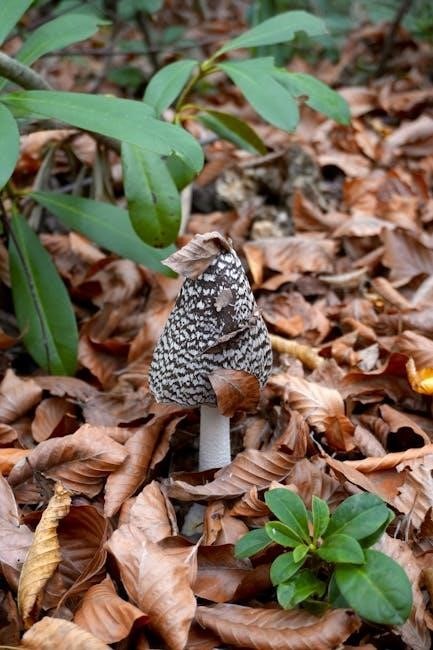
Galerina marginata, the Deadly Galerina, is a small, brown mushroom often found growing on decaying wood, posing a significant threat due to its potent toxicity. Field guides highlight its resemblance to edible Kuehneromyces mutabilis, leading to accidental poisonings.
This mushroom also contains amatoxins, causing liver and kidney damage. Accurate identification relies on microscopic features, making a field guide’s detailed descriptions crucial. Foragers must carefully compare characteristics, including spore color and gill attachment, to avoid potentially fatal errors. Caution is paramount when encountering small brown mushrooms.
Responsible Foraging Practices
Sustainable harvesting and respecting property rights are vital; avoid contaminated areas and practice mindful collection to preserve fungal ecosystems for future enjoyment.
Sustainable Harvesting
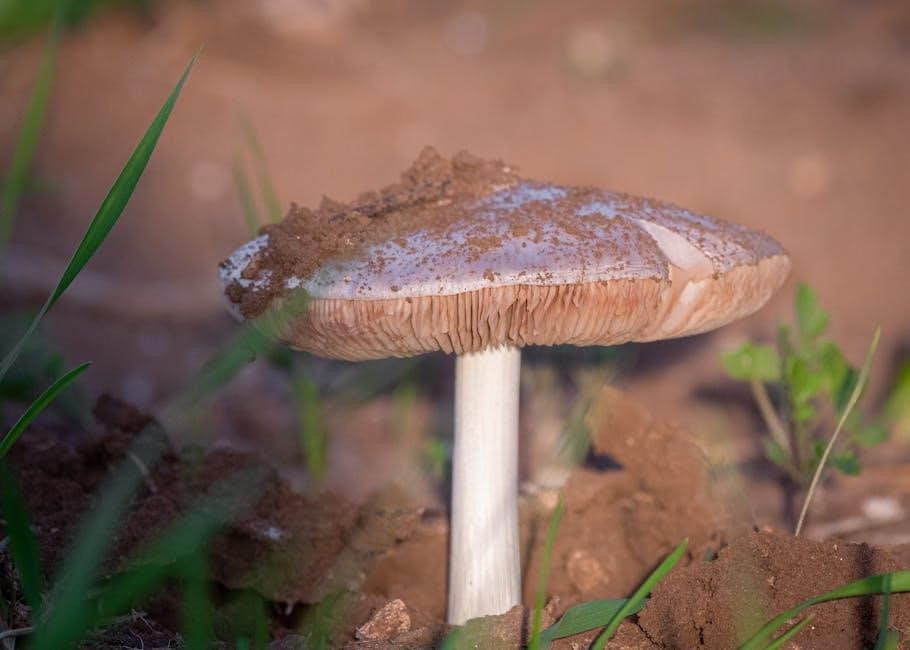
Responsible foraging prioritizes the long-term health of mushroom populations. Avoid collecting every mushroom you find, leaving some to reproduce and spread spores. Carefully cut mushrooms at the stalk, rather than pulling them up, to minimize disturbance to the mycelial network beneath the surface.
Focus on abundance; only harvest from areas where mushrooms are plentiful. Rotate foraging locations to allow previously harvested areas to recover. Consider the ecological role of the fungi – some are crucial for tree health. By practicing these techniques, you contribute to the preservation of these valuable resources for generations to come.
Respecting Private Property
Ethical mushroom hunting demands strict adherence to property rights. Always obtain explicit permission from landowners before venturing onto private land for foraging. This demonstrates respect for their ownership and avoids potential legal issues. Never assume access is granted, even if land appears unused or remote.
Be mindful of posted signs and boundaries. If permission is denied, respect the decision without argument. Consider public lands as a viable alternative, but always check local regulations regarding foraging permits and restrictions. Responsible behavior fosters positive relationships with landowners and ensures continued access to foraging grounds.
Avoiding Contaminated Areas
Safety is paramount when foraging for mushrooms; therefore, avoid areas with potential contamination. This includes roadsides exposed to vehicle exhaust, industrial sites, and locations treated with pesticides or herbicides. Mushrooms readily absorb environmental toxins, making contaminated specimens unsafe for consumption.
Be cautious near waterways potentially affected by agricultural runoff or pollution. Prioritize foraging in pristine, undisturbed habitats far from human activity. Thoroughly research the land’s history before collecting, and when in doubt, err on the side of caution – leaving potentially tainted mushrooms behind is always the safest course of action.
Tools for Mushroom Hunting
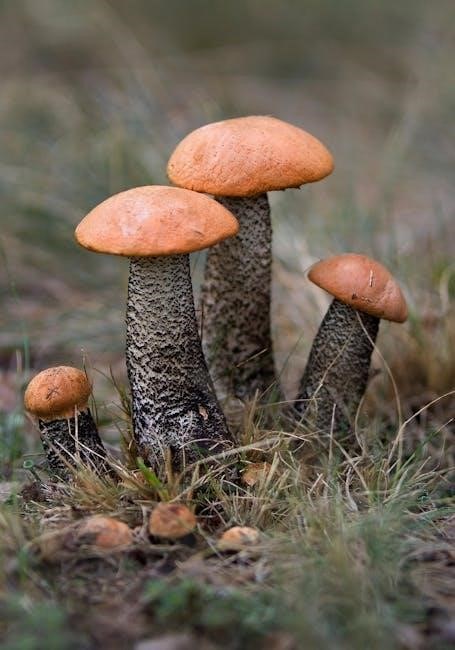
Essential tools include a basket for airflow, a knife for careful harvesting, and a magnifying glass to examine intricate details for accurate identification.
Basket or Mesh Bag
A basket or mesh bag is crucial for responsible mushroom foraging, allowing spores to disperse as you walk, aiding in future growth and ecosystem health. Unlike plastic bags, which trap moisture and accelerate decomposition, these breathable containers maintain mushroom quality.
Woven baskets offer excellent ventilation and protect delicate specimens during transport. Mesh bags provide similar benefits, being lightweight and easy to carry. Choosing the right container ensures your foraged mushrooms remain fresh and viable for identification and consumption, contributing to sustainable harvesting practices.
Knife
A sharp knife is an indispensable tool for any mushroom hunter, enabling clean and precise harvesting without damaging the delicate mycelial network beneath the surface. Carefully cutting the mushroom stem encourages regrowth, promoting sustainable foraging practices.
Avoid pulling or twisting mushrooms, as this disrupts the underground structure. A dedicated mushroom knife often features a brush for removing debris in the field, and some models include spore prints for initial identification. Prioritize a sturdy, rust-resistant blade for safe and efficient collection during your foraging adventures.
Magnifying Glass
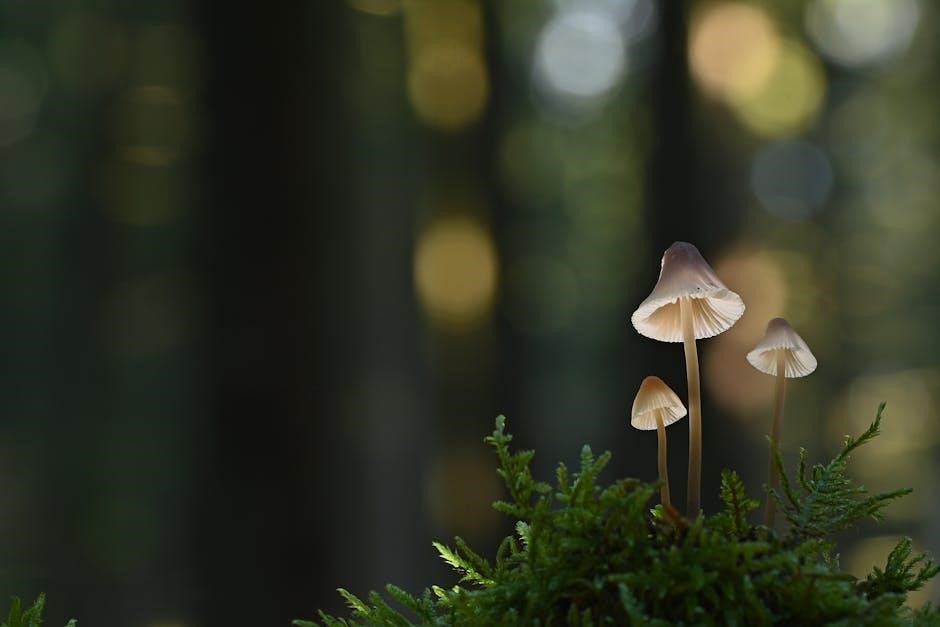
A magnifying glass is crucial for examining the intricate details essential for accurate mushroom identification, revealing subtle characteristics often invisible to the naked eye. Closely inspect gill attachment, spore patterns, and stem textures – features vital for distinguishing between species.
Detailed observation aids in differentiating edible varieties from dangerous look-alikes. A quality magnifying glass enhances your ability to discern minute features described in field guides, improving confidence in your identifications and ensuring a safe foraging experience.
Resources for Further Learning
Expand your knowledge through regional mycological societies, comprehensive online databases, and advanced identification books for deeper fungal understanding.
Regional Mycological Societies
Joining a local mycological society is an invaluable step for any mushroom enthusiast. These groups foster a community of passionate individuals, offering guided forays into local habitats. Experienced members share their expertise, aiding in accurate identification and responsible foraging practices.
Societies often host workshops, lectures, and presentations covering various aspects of mycology, from species identification to ecological roles. Participating in these events significantly enhances your understanding and skills. Furthermore, they provide a platform to learn about regional variations in mushroom distribution and seasonal patterns, crucial for successful foraging.
Online Mushroom Databases
Numerous online databases serve as valuable supplementary resources for mushroom identification, complementing traditional field guides. These platforms often feature extensive photographic collections, detailed species descriptions, and distribution maps, aiding in accurate identification. Many databases allow users to filter searches based on characteristics like cap color, gill attachment, and habitat.
However, it’s crucial to exercise caution when relying solely on online resources. Cross-reference information with multiple sources and consult experienced mycologists before consuming any wild-foraged mushrooms. Online databases are best used as a starting point for research, not a definitive identification tool.
Advanced Identification Books
For dedicated mycologists, advanced identification books offer in-depth taxonomic keys, microscopic features, and detailed chemical spot tests. These resources go beyond basic field guide descriptions, providing a comprehensive understanding of fungal morphology and classification. Regional specificity is key; the best advanced books focus on a particular geographic area.
These texts often assume a foundational knowledge of mycology and require patience and practice to master. They are invaluable for confirming identifications and contributing to fungal biodiversity research, offering a deeper dive than introductory guides allow.





Leave a Comment