surgical blade sizes and uses pdf
Types and Numbers of Surgical Blades

Blade sizes range from #10 to #60, each with distinct edge geometry for specific procedures. Commonly used types include #10, #10a for general incisions; #15, #15c for soft tissue; #22 and #24 for delicate work. Sizes dictate sharpness, thickness, and handling. They standardize surgical precision.!!?
Blade #10 and #10a
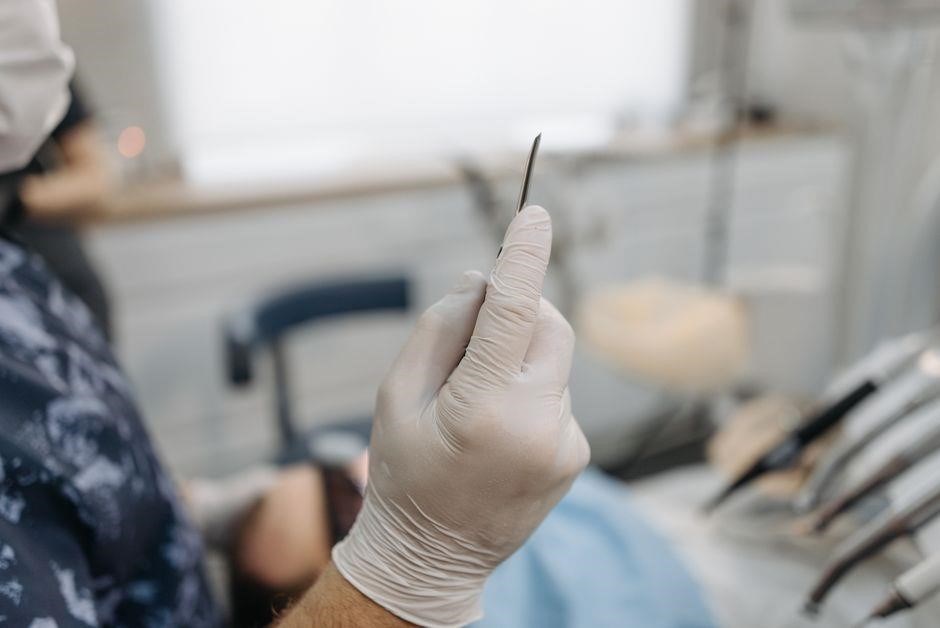
#10 Blade: The #10 scalpel blade is a standard, straight‑edge instrument widely used for general surgical incisions, skin excisions, and minor tissue dissection. It measures 4.5 mm in length with a 3 mm thick, 1 mm wide edge, striking a balance between sharpness and durability. The blade’s 10 mm handle slot fits most surgical handles, making it a staple in operating rooms worldwide. Its design offers precise cuts while minimizing tissue trauma, and it is compatible with standard sterilization protocols, including autoclave and chemical sterilization.
#10a Blade: The #10a variant shares the same dimensions as the #10 but features a slightly rounded tip and a marginally thicker edge. These subtle differences enhance control during delicate procedures such as ophthalmic or microsurgical work, where a softer edge reduces the risk of accidental deep cuts. The #10a is also compatible with standard 10 mm handles, ensuring seamless integration into existing surgical setups. It is often chosen for procedures requiring a balance of precision and reduced cutting force.
Both blades are available in bulk packs and are frequently referenced in surgical manuals and PDF guides. These resources detail handling techniques, sterilization steps, and recommended applications to ensure optimal patient outcomes. The #10 and #10a blades exemplify the versatility and reliability that surgeons rely on for a wide range of procedures, from routine skin excisions to more complex tissue dissections.
Surgeons often select the #10 for routine skin excisions and the #10a for procedures demanding finer control, ensuring verypatient safety and surgical precision
Blade #15 and #15c
Blade #15 is a versatile, straight‑edge scalpel commonly employed for soft‑tissue dissection, ophthalmic procedures, and minor excisions. Its 5.5 mm length and 1.5 mm thick edge deliver a sharp, stable cut while maintaining durability. The blade’s 10 mm handle slot is compatible with standard surgical handles, allowing seamless integration into operating rooms. Sterilization is straightforward, with autoclave, ethylene oxide, or hydrogen peroxide vapor proven effective. Blade #15c shares the same overall dimensions but features a curved, “C”‑shaped edge, providing a more controlled, gentle incision ideal for delicate tissues such as the conjunctiva or cornea. The curvature reduces the risk of inadvertent deep cuts and improves ergonomics for microsurgical tasks. It is also compatible with the same 10 mm handle system, ensuring that surgeons can switch between straight and curved edges without changing equipment. Both blades are frequently cited in surgical PDF guides, which outline proper handling, sterilization, and application techniques to maximize patient safety and procedural success. In practice, #15 blades are favored for general skin excisions, while #15c blades excel in ophthalmology, plastic surgery, and neurosurgery where precision is paramount. Surgeons appreciate the consistent performance of these blades across a range of procedures, and the availability of bulk packs and single‑use options supports both high‑volume and low‑volume settings. The combination of standard handle compatibility, reliable edge geometry, and proven sterilization protocols makes #15 and #15c indispensable tools in modern surgical practice. Their widespread adoption reflects confidence in their safety and efficacy. Clinicians trust them for both routine and complex procedures.!!!

Blade #22 and #24
Blade #22 is a narrow, 4.5 mm long scalpel with a 1.0 mm thick edge, designed for precise, deep incisions in ophthalmic and microsurgical procedures. Its slim profile allows access to confined spaces, such as the posterior segment of the eye or the inner ear, while maintaining a stable cutting surface. The blade’s 8 mm handle slot is compatible with standard surgical handles, enabling quick exchange during delicate operations. Sterilization protocols for #22 include autoclaving at 134 °C for 5 minutes, gas sterilization, or hydrogen peroxide vapor, all of which preserve edge integrity and prevent cross‑contamination. Blade #24, slightly longer at 5.0 mm, features a 1.2 mm thick edge and a slightly broader tip, making it suitable for larger, but still delicate, incisions such as corneal grafts, eyelid repairs, or small tissue excisions. Its 10 mm handle slot accommodates a range of standard and custom handles, providing versatility across surgical specialties. Both blades are referenced in surgical PDF guides that detail proper handling, sterilization, and application techniques. The consistency of their performance, combined with reliable sterilization methods, makes #22 and #24 staples in ophthalmology, plastic surgery, and microsurgery. Surgeons value their predictable cutting action, minimal tissue trauma, and ease of use in high‑precision settings. Their widespread adoption underscores their importance in modern surgical practice, ensuring patient safety and optimal outcomes.!!! These blades are also favored for their ease of sterilization and reusability, allowing surgeons to maintain a standard of aseptic technique across procedures. Their ergonomic design reduces hand fatigue during prolonged surgeries, contributing to better surgical precision and patient safety daily.

Blade Shapes and Edge Profiles
Scalpel blades feature straight, curved, and V‑shaped edges, each tailored for specific tissue handling. Straight blades offer clean, linear cuts; curved blades reduce trauma in soft tissue; blades provide precisionV‑sh incisions.V‑shV‑sh
Straight Blade Profiles
Straight‑edge scalpel blades are the workhorses of most operating rooms. Their linear cutting surface, typically 0.5–1.0 mm thick, allows surgeons to make precise, clean incisions across a wide range of tissues. The blade’s geometry—often a single bevel or double‑bevel—determines the angle of contact and the depth of penetration. Single‑bevel blades (e.g., #10, #15) are favored for delicate procedures such as ophthalmic or microsurgery, where a minimal bevel angle reduces tissue trauma. Double‑bevel blades (e.g., #22, #24) provide symmetrical cutting edges, making them ideal for general surgery, laparoscopic procedures, and when a balanced edge is required for both cutting and suturing. The straight profile also facilitates easy handling with standard 3‑ or 4‑finger grips, and the blade can be mounted on a variety of handles, from disposable to reusable, ensuring compatibility across surgical systems. Sterilization protocols for straight blades are straightforward: autoclaving at 121 °C for 15 minutes or immersion in high‑concentration hydrogen peroxide vapor for 30 minutes preserves edge integrity. In addition, straight blades are often featured in PDF training modules that illustrate incision techniques, bevel orientation, and blade selection criteria for residents and experienced surgeons alike. These resources emphasize the importance of blade selection based on tissue type, incision length, and surgical field exposure, reinforcing best practices for optimal patient outcomes. When selecting a straight blade, surgeons consult size charts: #10 (0.5 mm) for fine incisions, #15 (0.75 mm) for general tissue, #22 (1.0 mm) for robust cuts, and #24 (1.25 mm) for thick tissue. The bevel angle ranges 30°–45°, affecting cut depth and tissue trauma. Proper storage preserves sharpness and safety. Ensure correct orientation before use sterilize.
Curved Blade Profiles

Curved blades also excel in microsurgical procedures where minimal tissue displacement is critical. Their design allows for precise depth control, reducing the risk of inadvertent perforation. Surgeons often prefer curved blades for cranial and spinal surgeries, as the blade’s shape conforms to bone contours, facilitating smooth passage of instruments. They fit most handles.
V-Shaped Blade Profiles
V-shaped blades, also known as “V” or “double‑edged” blades, feature a symmetrical, angular edge that tapers to a fine point. This design allows surgeons to perform incisions with precision, especially in confined spaces such as the eye, ear, or nasal cavity. The V‑profile distributes cutting force evenly across the blade’s width, reducing tissue tearing and providing a clean, straight cut. In ophthalmic surgery, V‑blades are indispensable for corneal lamellar procedures, where a shallow, controlled incision preserves corneal integrity. Plastic surgeons favor V‑blades for facial reconstructive work, as the angled edge facilitates delicate dissections around bone and cartilage. The blade’s shape enhances tactile feedback, enabling surgeons to gauge depth and resistance in real time. V‑blades are compatible with most standard surgical handles, making them versatile for both open and minimally invasive procedures. Their durability is maintained through high‑grade stainless steel construction, which resists corrosion and keeps edge sharp after repeated sterilization cycles. For training and reference, many manufacturers provide PDF guides detailing blade selection, handling techniques, and sterilization protocols, ensuring practitioners can maximize performance while adhering to safety standards. By integrating V‑blades into toolkits, clinicians achieve superior outcomes in procedures demanding precision and reliability. These blades are favored for their ergonomic balance andlit feel.

Handle Compatibility and Mounting Systems
Handle compatibility ensures each blade fits securely into its designated handle. Standard mounting systems use a 4‑mm pin or screw, while custom solutions offer adjustable angles. Proper alignment lowers slippage and enhances precision maintaining sterility.
Standard Handle Types
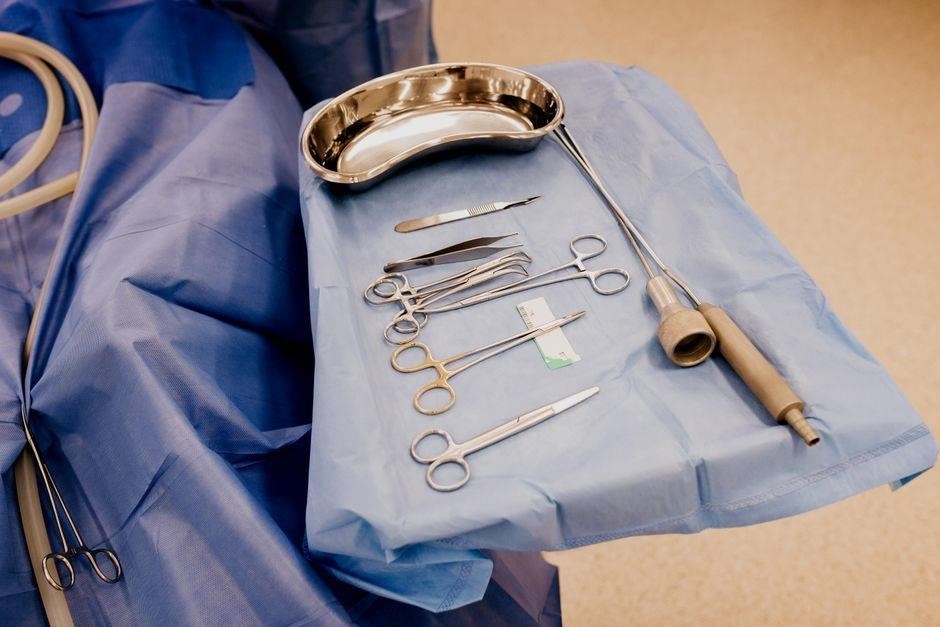
Standard surgical scalpel handles are engineered to accommodate a wide array of blade sizes, ensuring uniformity across operating rooms. The most prevalent designs feature a 4‑mm pin system that locks blades securely, preventing accidental release during delicate maneuvers. These handles typically incorporate a smooth, ergonomic grip made from silicone or thermoplastic elastomer, providing both tactile feedback and a non‑slip surface. The blade slots are precision‑machined to accept blades ranging from #10 to #60, with a tolerance of ±0.02 mm to maintain a consistent edge contact. Many manufacturers offer interchangeable barrel extensions, allowing surgeons to adjust the handle length for better reach or to accommodate different hand sizes. The standard handle’s internal spring mechanism ensures a quick release when the blade is removed, minimizing the risk of contamination. Compatibility charts are routinely supplied, detailing which blade numbers fit each handle model, and are often included in the accompanying PDF training manuals. By adhering to these standardized systems, surgical teams can streamline inventory management, reduce the likelihood of blade‑handle mismatches, and uphold stringent sterility protocols.

These standardized handles also support quick‑change mechanisms, allowing surgeons to swap blades in seconds without compromising sterility. The ergonomic design reduces hand fatigue during prolonged procedures, ensuring consistent performance across surgical specialties!
Custom Handle Solutions
Custom handles are tailored to meet the unique demands of specialized surgical disciplines. They often feature adjustable grip lengths, allowing surgeons to fine‑tune the handle for optimal reach and control during microsurgery or deep‑tissue procedures. Materials such as carbon‑fiber composites or titanium alloys provide lightweight strength while maintaining a low profile that reduces hand fatigue. Many custom designs incorporate interchangeable thumb rests or finger pads, enabling ergonomic adaptation to individual hand sizes and surgical positions. The blade‑mounting interface can be engineered with a variable‑angle slot, permitting precise angulation adjustments that enhance tissue dissection accuracy. Some manufacturers offer 3‑D printed prototypes that integrate micro‑channels for fluid drainage, thereby improving visibility during procedures. Custom handles may also include integrated force‑feedback sensors that transmit tactile data to a monitoring system, allowing real‑time assessment of applied pressure. These advanced features are typically documented in detailed PDF guides, which include step‑by‑step assembly instructions, sterilization protocols, and calibration checklists. By investing in custom handle solutions, surgical teams can achieve higher precision, reduce operative time, and improve patient outcomes while maintaining compliance with regulatory standards. Future iterations may integrate real‑time analytics that guide surgical decision‑making and enhance patient safety!
Sterilization, Storage, and PDF Resources
Follow ISO 11135 for autoclaving; store blades in sealed, labeled containers to prevent contamination. PDF guides detail sterilization cycles, storage conditions, and handling protocols, ensuring compliance and safety across surgical settings. PDFs Guide
Sterilization Protocols
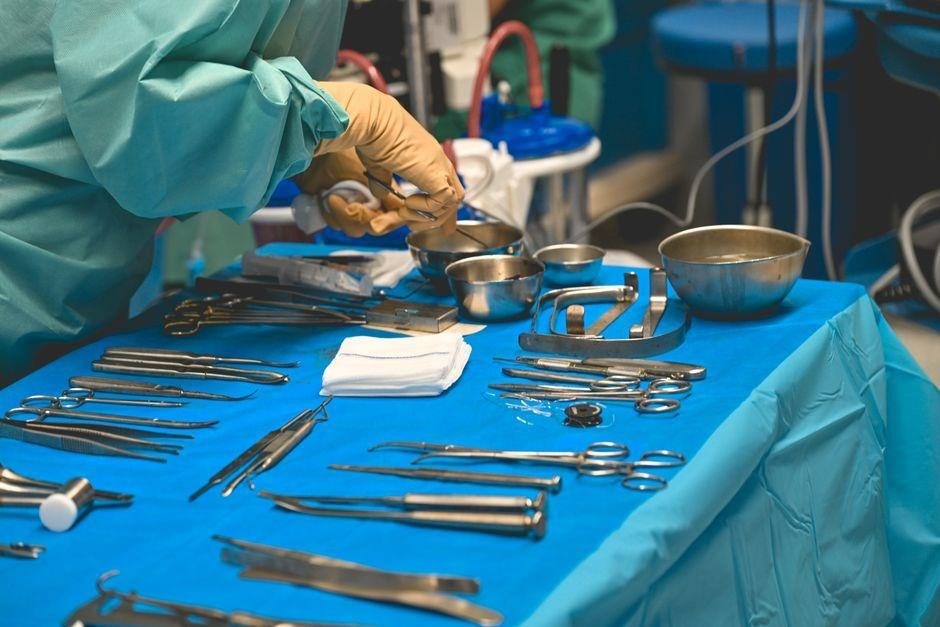
ISO 11135 and ISO 11137 standards govern the sterilization of surgical blades. For steam sterilization, autoclave cycles must reach 121 °C at 15 psi for 15 minutes, or 134 °C for 5 minutes, ensuring a sterility assurance level (SAL) of 10⁻⁶. Pre‑cleaning removes tissue residues; blades are rinsed with sterile water and dried with lint‑free wipes. Chemical sterilants such as glutaraldehyde (2 % solution) are used for heat‑sensitive instruments, with a 30‑minute exposure at 25 °C, followed by thorough rinsing and drying. Ethylene oxide (EtO) sterilization is reserved for complex devices; it requires a 2‑hour exposure at 55 °C, 55 % humidity, and a 4‑hour aeration phase to eliminate toxic residues. Post‑sterilization, blades are inspected for integrity, stored in sealed, UV‑protected containers, and labeled with batch numbers, sterilization date, and SAL. Documentation must record the sterilization cycle parameters, validation data, and any deviations. Periodic biological indicators (BIs) and chemical indicators (CIs) confirm efficacy. Compliance audits and staff training reinforce protocol adherence, ensuring blades remain sterile for surgical use.
Storage conditions maintain blade sterility: temperature 15–25 °C, relative humidity below 50 %, and protection from light. Blades are kept in individual, sealed blister packs or metal trays with desiccant packs. The storage area must be clean, dry, and free from cross‑contamination. Blades are rotated using a first‑in, first‑out system to prevent prolonged exposure. Each blade set receives a unique identification code, and the sterilization record is linked to the blade’s lot number. During audits, the chain of custody is verified, ensuring no tampering or unauthorized access. Training modules cover proper handling, inspection, and documentation practices. Regular competency assessments and refresher courses keep staff updated on evolving standards and best practices. By integrating these rigorous protocols, healthcare facilities can guarantee that every blade delivered to the operating room meets the highest sterility standards.
PDF Guides and Training Materials
High‑resolution PDF manuals are essential for standardizing blade selection and usage. Leading manufacturers publish comprehensive guides that include blade size charts, recommended procedures, and safety precautions. These documents are typically 30–50 pages long, featuring detailed diagrams, step‑by‑step illustrations, and case studies. Training modules often integrate interactive quizzes, allowing users to test their knowledge on blade compatibility and sterilization protocols. Many institutions host webinars that walk through the PDF content, ensuring that surgical teams can reference the material in real time. Downloadable checklists accompany the guides, providing quick reference for intra‑operative blade handling. The PDFs are regularly updated to reflect new regulatory standards, such as ISO 11135 updates, and incorporate feedback from clinical trials. Some vendors offer multilingual versions, expanding accessibility for international teams. In addition, the guides include troubleshooting sections that address common issues like blade dullness, handle detachment, and contamination risks. By distributing these PDFs through secure portals, hospitals can maintain version control and audit trails, ensuring that every staff member accesses the most current information. Continuous education is reinforced through annual refresher courses that require completion of the PDF modules, thereby aligning practice with evolving best practices. 2026-09-30. End.!!!








Leave a Comment